SCOTUS Shuts Down Geofence Warrants, But the Backdoor Remains Open
The Supreme Court just threw a massive wrench into the government's favorite digital tracking tool. But don't pop the champagne yet, because federal agencies are already buying their way around the ruling.
The Brief
The Fourth Amendment Reclaims the Map: SCOTUS Rules Geofence Warrants Require a Warrant
Source: scotusblog.com
By the numbers
- On June 29, 2026, the Supreme Court ruled 6-3 in Chatrie v. United States that geofence warrants constitute a Fourth Amendment search.
- Geofence requests accounted for 25% of all U.S. warrants Google received by 2020.
- Private data broker InMarket tracks location data from more than 390 million devices.
- The Department of Homeland Security receives over $10 billion annually for surveillance technology.
- The 2019 geofence warrant in the Chatrie case swept up data within a 150-meter radius of a Virginia bank.
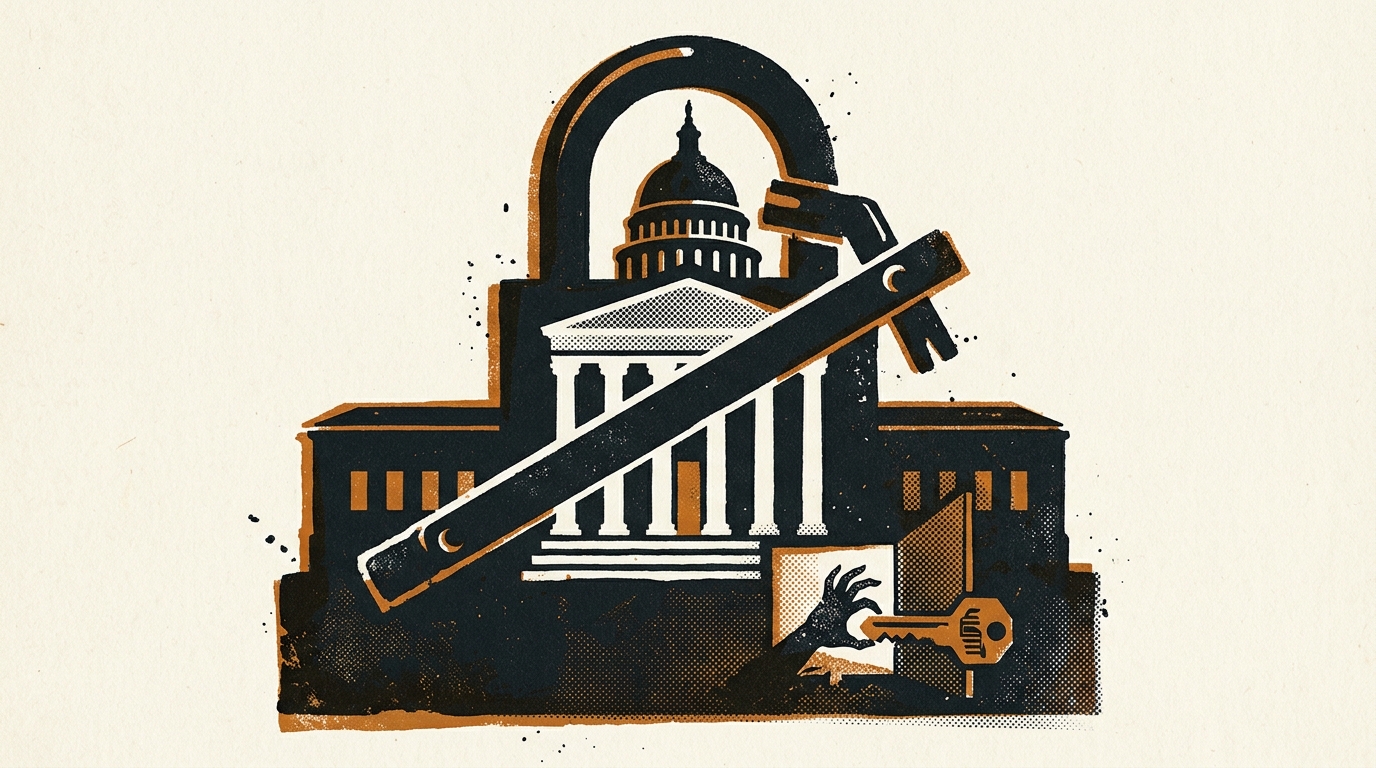
The Supreme Court just locked the front door against warrantless location tracking, but the government is still buying the keys to your back door from private data brokers.
What happens next: The battleground now shifts to Congress, where reformers are pushing the Government Surveillance Reform Act (H.R. 7901) to permanently close the commercial data broker loophole.
Watchlist
- California Data Broker Opt-Out: State-level test of commercial data broker accountability begins in August.
- FISA Section 702 Vote: Congress faces a tight four-week window starting July 13.
- FISA Certification Expiration: Existing surveillance certifications expire entirely in March 2027.
More headlines
- Local Police Deploy AI Surveillance Tools Without OversightPrivacy
More than 300 public safety agencies are deploying AI-powered tools from private vendors like Flock Safety and Axon without any national regulatory framework.
Crow's Nest Handing local police departments automated, AI-driven tracking systems without strict local legislative oversight is an open invitation to domestic abuse and systemic overreach.
- House Moves to Block Financial Tracking of Gun SalesArms
The Protecting Privacy in Purchases Act (H.R. 1181) is awaiting a House floor vote after passing the Rules Committee on an 8-4 party-line vote.
Crow's Nest Financial surveillance is still surveillance, and blocking credit card companies from categorizing gun sales is a necessary shield against the creation of a de facto federal registry.